The Blue Adenium Plant: A Guide to Growing and Caring for This Stunning Succulent
If you're a succulent enthusiast, then the Blue Adenium Plant is a must-have addition to your collection. With its vibrant blue flowers and unique appearance, this plant is sure to turn heads and catch the eye of anyone who sees it.
In this blog post, we'll explore everything there is to know about growing and caring for the Blue Adenium Plant. From its origins to its care requirements, we'll cover it all. So, let's dive in!
The Blue Adenium Plant, also known as the Desert Rose, is a succulent native to East Africa and Arabia. It's characterized by its thick, swollen trunk and beautiful pink, red, or blue flowers that bloom in clusters.
Unlike many other succulents, the Blue Adenium Plant is not a low-maintenance plant. It requires specific care instructions and attention to thrive. However, with a little bit of effort and dedication, it can be a stunning addition to any indoor or outdoor garden.
Origins of the Blue Adenium Plant
The Blue Adenium Plant is native to East Africa and Arabia, where it grows in arid conditions. It's often found in areas with poor soil quality, so it has adapted to survive on minimal nutrients.
In its natural habitat, the Blue Adenium Plant can grow up to 10 feet tall. However, when grown in containers, it typically reaches a height of 3-6 feet.
How to Grow the Blue Adenium Plant
When it comes to growing the Blue Adenium Plant, there are several things you need to keep in mind.
Soil
The Blue Adenium Plant requires well-draining soil that's rich in nutrients. A mix of sand, perlite, and peat moss is an excellent choice for this plant.
Light
The Blue Adenium Plant requires full sunlight to thrive. If you're growing it indoors, place it near a south-facing window that gets ample sunlight throughout the day.
Watering
The Blue Adenium Plant is drought-tolerant, so it doesn't require frequent watering. In fact, overwatering can be detrimental to the plant's health. Water the plant only when the soil has completely dried out.
Fertilizer
The Blue Adenium Plant requires regular fertilization during the growing season. A balanced fertilizer with a 10-10-10 NPK ratio is ideal for this plant.
Propagating the Blue Adenium Plant
Propagating the Blue Adenium Plant is relatively easy. You can propagate it through stem cuttings or seeds.
Stem Cuttings
To propagate the Blue Adenium Plant through stem cuttings, follow these steps:
- Choose a healthy stem from the parent plant.
- Cut the stem at a 45-degree angle using a sharp, clean knife.
- Allow the cutting to dry for a few days in a shaded area.
- Plant the cutting in a well-draining soil mix.
- Water the cutting lightly and place it in a warm, sunny area.
Seeds
To propagate the Blue Adenium Plant through seeds, follow these steps:
- Collect fresh seeds from the parent plant.
- Soak the seeds in water overnight.
- Plant the seeds in a well-draining soil mix.
- Cover the seeds lightly with soil.
- Water the seeds lightly and place them in a warm, sunny area.
Common Problems and Solutions
Like all plants, the Blue Adenium Plant is susceptible to certain problems. Here are some common issues and solutions:
Yellowing Leaves
Yellowing leaves are a sign of overwatering. Allow the soil to dry out completely before watering again.
Root Rot
Root rot is caused by overwatering and poor drainage. Make sure your plant's container has adequate drainage holes, and only water the plant when the soil has completely dried out.
Pests
The Blue Adenium Plant is susceptible to mealybugs, spider mites, and scale insects. Treat these pests with neem oil or insecticidal soap.
In conclusion, the Blue Adenium Plant is a stunning succulent that requires specific care instructions to thrive. By providing it with well-draining soil, full sunlight, infrequent watering, and regular fertilization, you can enjoy this plant's beautiful blue flowers for years to come.
Frequently Asked Questions
1. How often should I water my Blue Adenium Plant?
The Blue Adenium Plant is drought-tolerant and doesn't require frequent watering. Water the plant only when the soil has completely dried out.
2. What kind of soil is best for the Blue Adenium Plant?
The Blue Adenium Plant requires well-draining soil that's rich in nutrients. A mix of sand, perlite, and peat moss is an excellent choice for this plant.
3. How tall does the Blue Adenium Plant grow?
In its natural habitat, the Blue Adenium Plant can grow up to 10 feet tall. However, when grown in containers, it typically reaches a height of 3-6 feet.
4. Can I propagate the Blue Adenium Plant through stem cuttings?
Yes, you can propagate the Blue Adenium Plant through stem cuttings. Follow the steps outlined in the "Propagating the Blue Adenium Plant" section.
5. How do I treat pests on my Blue Adenium Plant?
Treat pests on your Blue Adenium Plant with neem oil or insecticidal soap.
6. How much sunlight does the Blue Adenium Plant require?
The Blue Adenium Plant requires full sunlight to thrive. If you're growing it indoors, place it near a south-facing window that gets ample sunlight throughout the day.
7. What fertilizer should I use for the Blue Adenium Plant?
A balanced fertilizer with a 10-10-10 NPK ratio is ideal for the Blue Adenium Plant.
8. How do I prevent root rot in my Blue Adenium Plant?
Root rot is caused by overwatering and poor drainage. Make sure your plant's container has adequate drainage holes, and only water the plant when the soil has completely dried out.
9. How often should I fertilize my Blue Adenium Plant?
Fertilize your Blue Adenium Plant regularly during the growing season.
10. What are the origins of the Blue Adenium Plant?
The Blue Adenium Plant is native to East Africa and Arabia.
12 Blue adenium plant Images

47 Best Adenium Thailand Images On Pinterest Desert Rose Plants For

100 Real Multilayer Blending Rare Desert Rose Seeds Ornamental Plants

23 Best Impala Lily Images On Pinterest

White Adenium Adenium Plants Flowers

Adenium Arabicum RNC Shown In Training Roots And Branches Branch

DesertRosebeautiful Pink Ros Png Flower Art Flower Images

Adenium Obesum X Swazicum Crimson Star Click To View In A New Window

Ko E23 Adenium Obesum Adenium Desert Rose

Amata Adenium Adenium Plant Adenium Plants
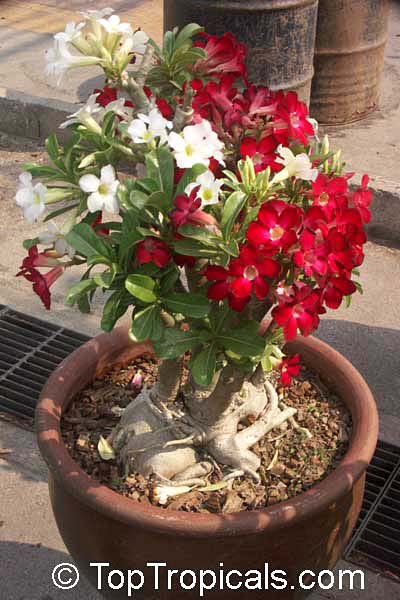
1000 Images About Beautiful Flowers Everywhere On Pinterest Tulip

Rare Adenium Seeds Double Blue Velvet 5 Seeds Adenium Seeds For

Adenium Plants Caregrow And Care Adenium Plant At Home Garden
Post a Comment for "The Blue Adenium Plant: A Guide to Growing and Caring for This Stunning Succulent"